- Other designations: NSV 18593, BD+36 2147, GJ 411, HD 95735, HIP 54035, SAO 62377, G 119-052, LFT 756, LHS 37, LTT 12960, NLTT 26105, PLX 2576, IRAS 11005+3615, 2MASS J11032023+3558117, J11032027+3558203, MCC 594
- Constellation: Ursa Major
- Right Ascension: 11h 03m 20.19482s
- Declination: +35° 58′ 11.5762″
- Distance: 8.3 ly
- Estimated Age: 8 billion years est.
- Variable type: BY Dra
- Apparent Magnitude: 7.5 V
- B-V Color Index: 1.444
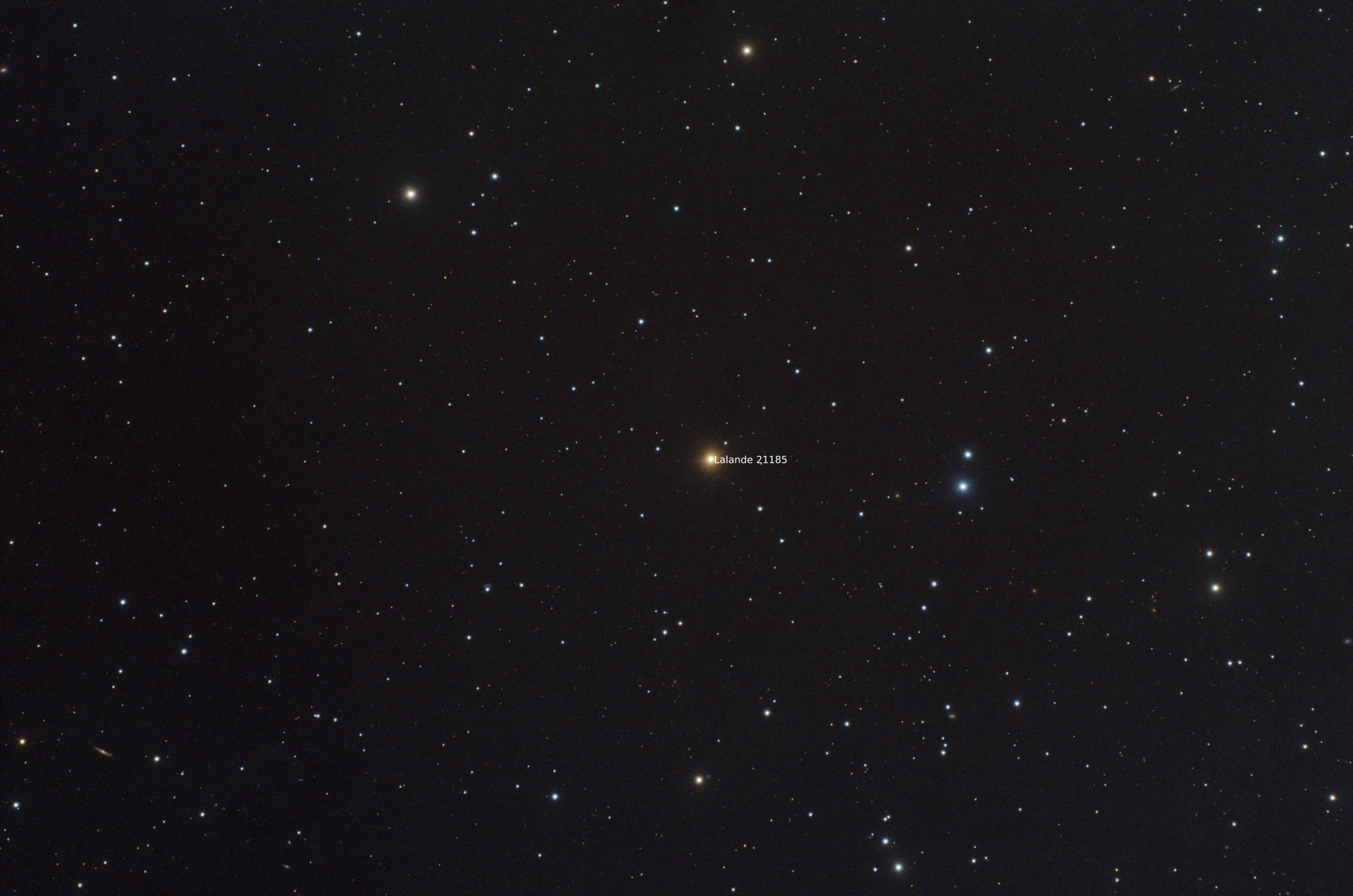
Lalande 21185 is a red dwarf star located in the constellation of Ursa Major. It is one of the closer stars at only 8.3 light years away, and has two confirmed planets.
- Details
- Category: Stars
- Telescope: Explore Scientific 127 Refractor
- Camera: ZWO A071 Color
- Other designations: Gliese 388, BD+20 2465, G 54-23, LHS 5167, LTT 12761, NLTT 24015, SAO 81292, PLX 2420, TYC 1423-174-1
- Constellation: Leo
- Right Ascension: 10h 19m 36.28082s
- Declination: +19° 52′ 12.0104″
- Distance: 16.2 ly
- Estimated Age: 300 million
- Variable type: Flare
- Apparent Magnitude: 9.32
- B-V Color Index: 1.54
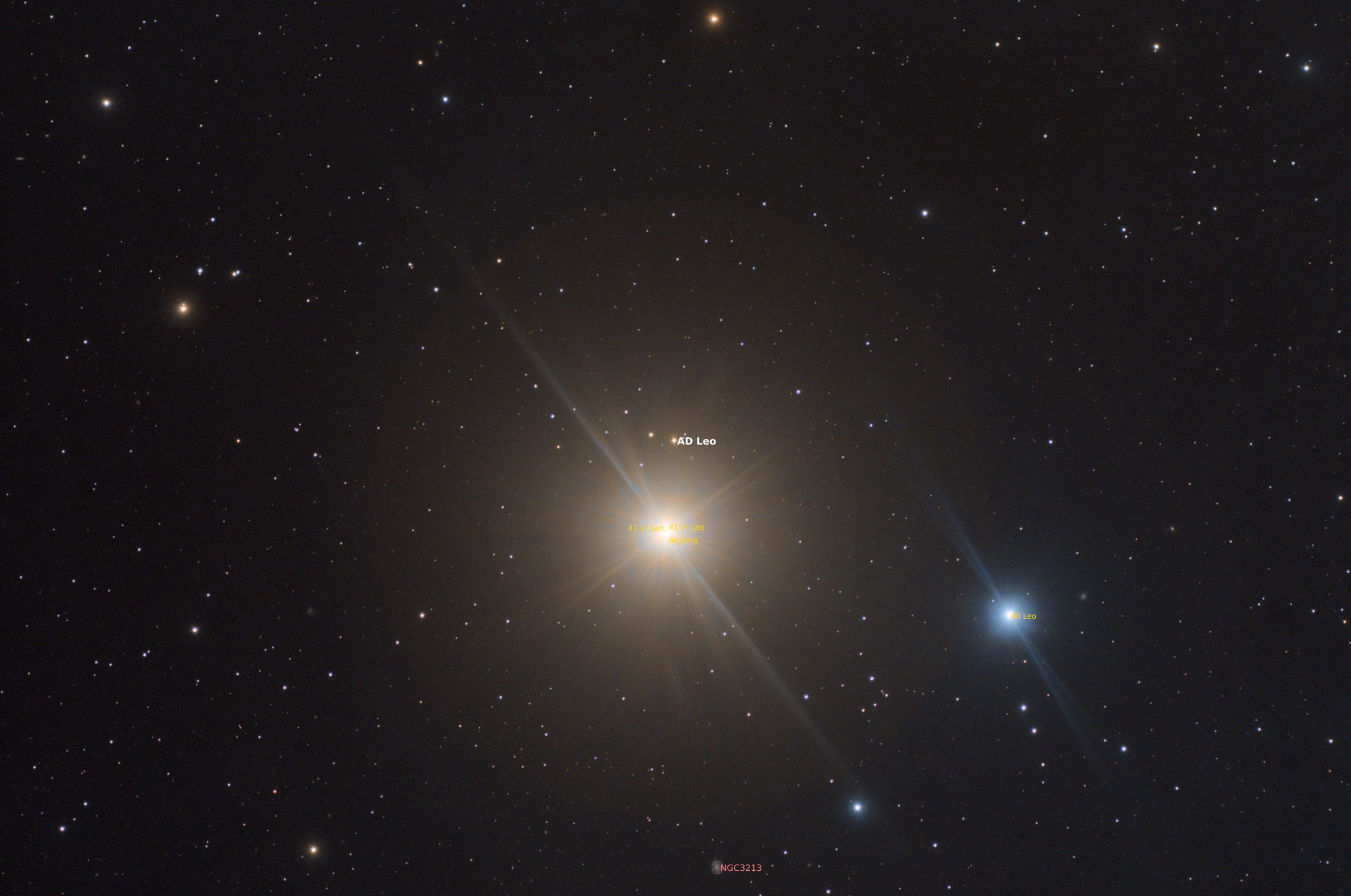
AD Leo is a red dwarf star located in the constellation of Leo. It is a very active flare star located 16.2 light years away. A M type star with a spectral classification of M3.5eV
- Details
- Category: Stars
- Telescope: Explore Scientific 127 Refractor
- Camera: ZWO A071 Color
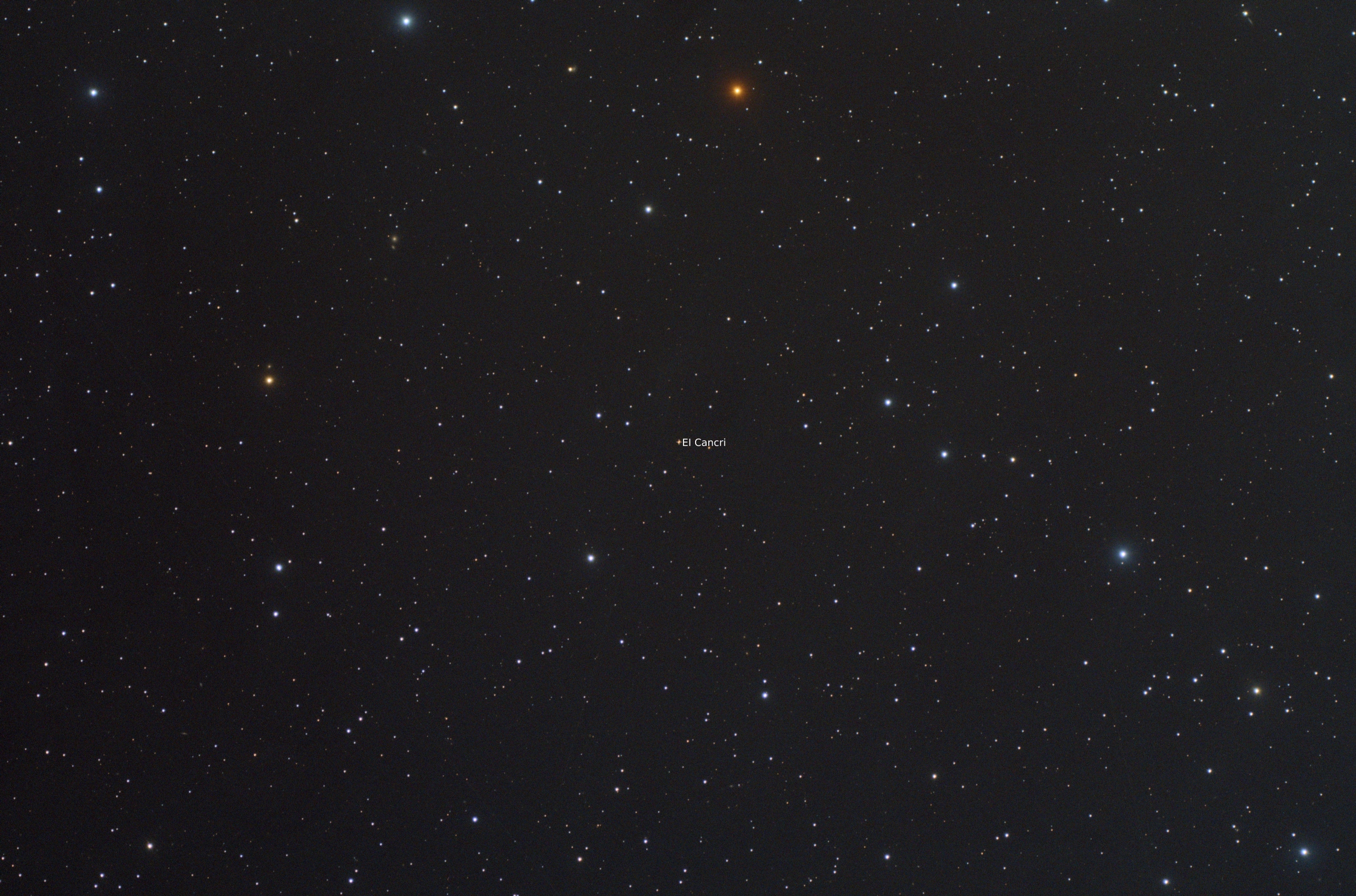
- Other designations: EI Cnc, GJ 1116, WDS J08582+1945AB, G 9-38, G 47-14, G 41-11, LP 426-40, LTT 12343, PLX 2144.03, GSC 01397-01138, 2MASS J08581519+1945470
- Constellation: Cancer
- Right Ascension: 08h 58m 15.07493s
- Declination: +19° 45′ 48.2581″
- Distance: 16.7 ly
- Variable type: Flare star
- Apparent Magnitude: 13.93, 13.75
EI Cancri is a double star system located in the constellation of Cancer. At a distance of 16.7 light years its one of the closer star systems to Earth. The system consists of two low mass stars with spectral types of M8Ve, and M7V.
- Details
- Category: Stars
- Telescope: Explore Scientific 127 Refractor
- Camera: ZWO A071 Color
- Other designations: BD+50° 1725, GJ 380, HD 88230, HIP 49908, SAO 43223, LFT 696, IRAS 10082+4942
- Constellation: Ursa Major
- Right Ascension: 10h 11m 22.13995s
- Declination: +49° 27′ 15.2510″
- Distance: 15.886
- Estimated Age: 6.6 billion years
- Variable type: BY Dra, Flare star
- Apparent Magnitude: +6.60
- B-V Color Index: +1.34
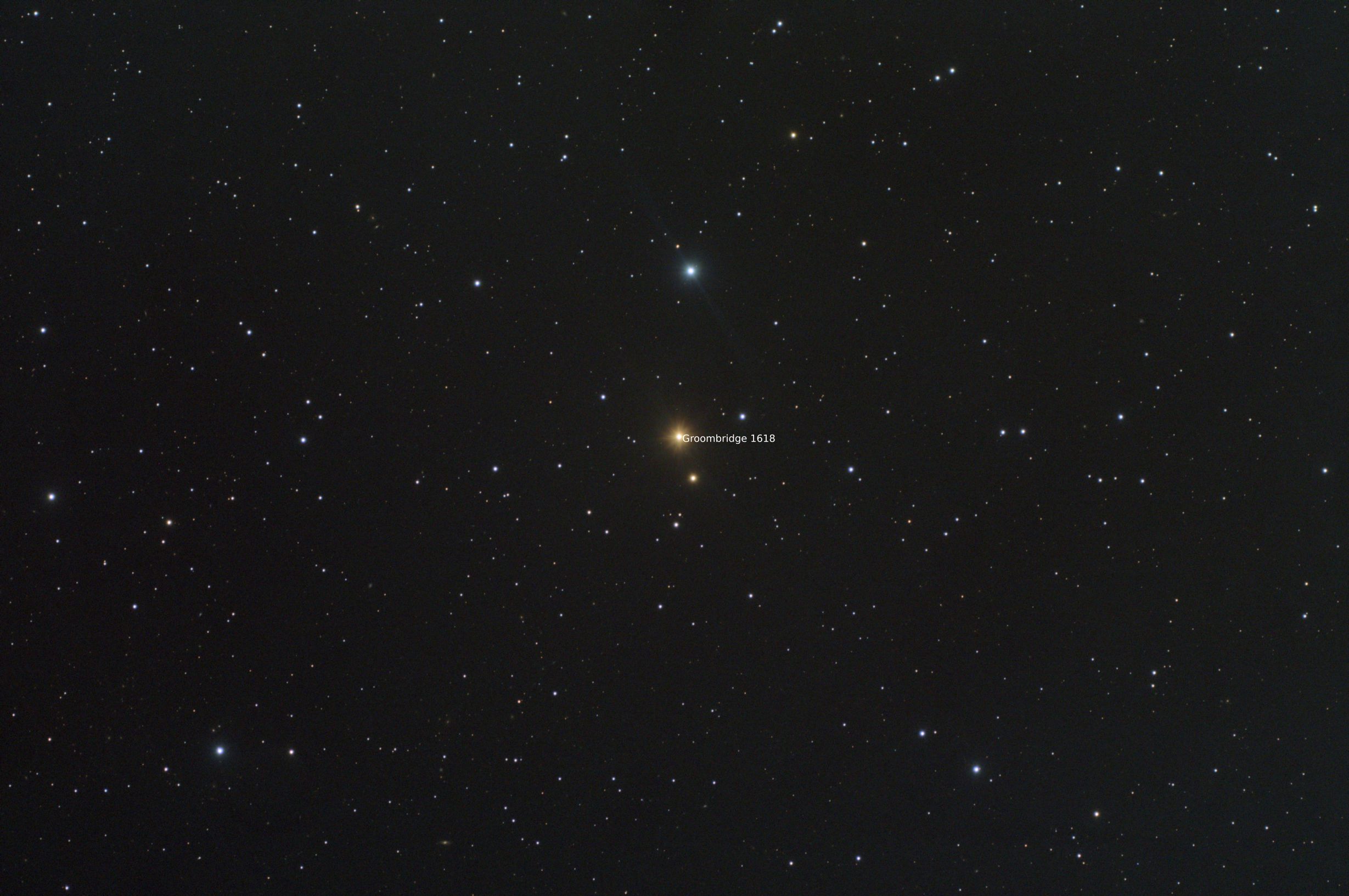
Groombridge 1618 is a close main sequence star at 15.89 light years distant, located in the constaletion of Ursa Major. It is classified as a BY Draconis variable.
- Details
- Category: Stars
- Telescope: Explore Scientific 127 Refractor
- Camera: ZWO A071 Color
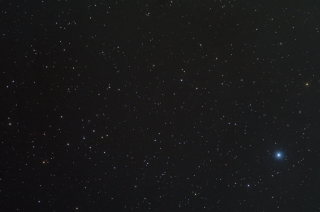
- Other designations: G 051-015, GCTP 2016.01, GJ 1111, LHS 248
- Constellation: Cancer
- Right Ascension: 08h 29m 49.35279s
- Declination: +26° 46′ 33.6241″
- Distance: 11.6 ly
- Estimated Age: 200 million
- Apparent Magnitude: 14.8 V
- B-V Color Index: 2.08
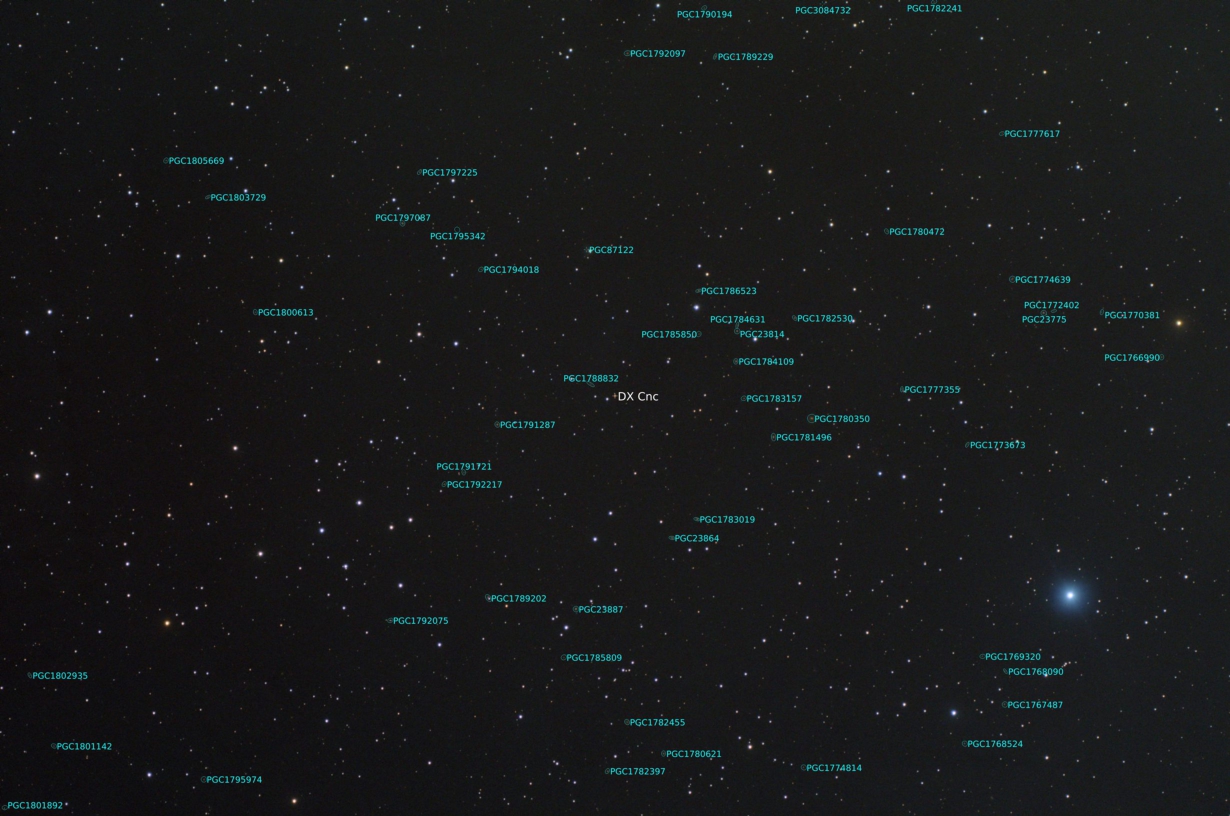
DX Cancri is a red dwarf star located in the constellation of Cancer. A flare star variable that can increase brightness at an unpredictable time table. A low mass star with only about 10% mass of our Sun.
- Details
- Category: Stars
- Telescope: Explore Scientific 127 Refractor
- Camera: ZWO A071 Color
- Constellation: Auriga
- Right Ascension: 05 48 08.17
- Declination: +30 37 51.9
- Distance: ~3000 ly
- Apparent Magnitude: 8.27
- B-V Color Index: 2.52
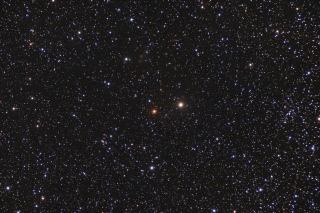
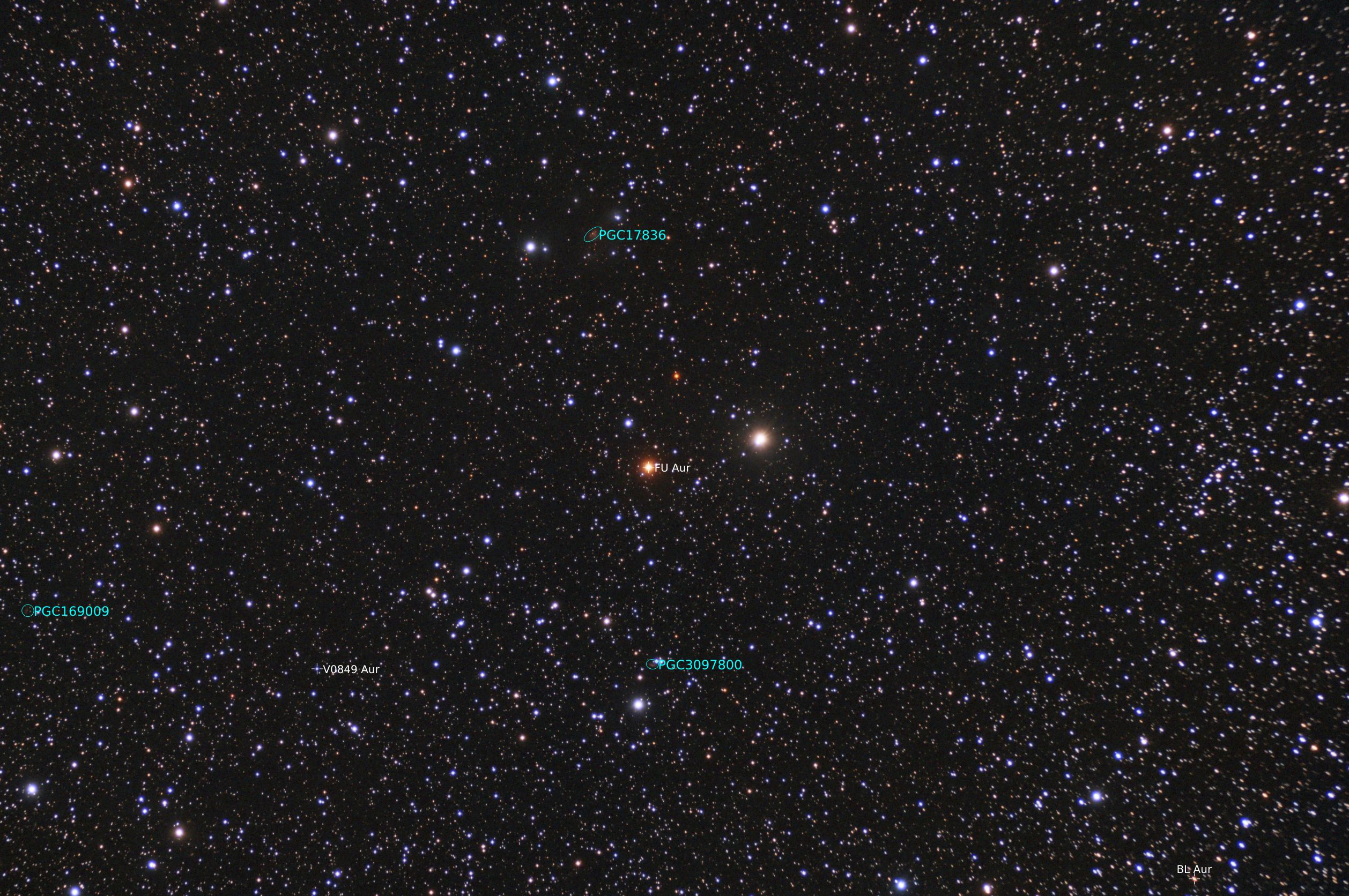
FU Aurigae is a variable carbon star located in the constellation of Auriga. Spectral classification is C7,2(N0)
- Details
- Category: Stars
- Telescope: Explore Scientific 127 Refractor
- Camera: ZWO 2600 MM