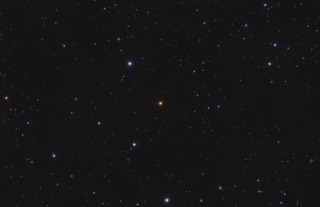
- Constellation: Aries
- Right Ascension: 02 15 00.08
- Declination: +12 14 23.6
- Distance: 3,770+ ly
- Apparent Magnitude: 8.2 - 8.9
V Ari is a carbon star in Aries The Ram. It is a semi-regular variable star that varies in brightness in a 56+ day cycle.
- Details
- Category: Stars
- Telescope: Explore Scientific 127 Refractor
- Camera: ZWO 2600 MM
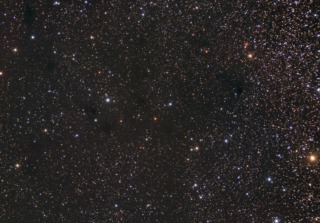
- Constellation: Cepheus
- Right Ascension: 22h 33m 34.636s
- Declination: +58° 53′ 47.12″
- Distance: 15,000 ly
- Apparent Magnitude: 10.82 - 11.35
- B-V Color Index: 3.18
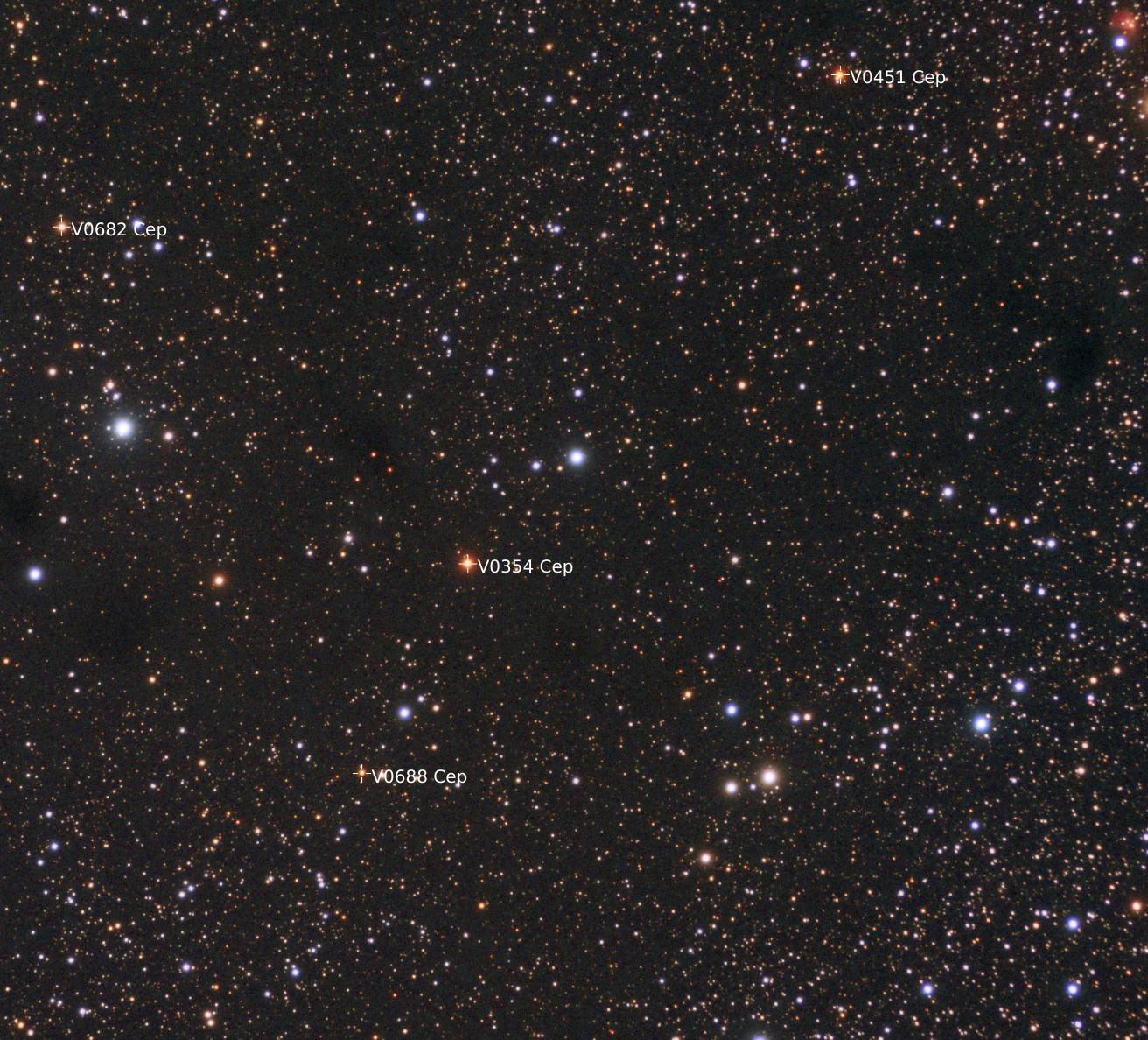
V354 Cephei is a red cool super giant variable star located in Cepheus. An irregular type variable, it has no discernible pattern.
- Details
- Category: Stars
- Telescope: Explore Scientific 127 Refractor
- Camera: ZWO 2600 MM
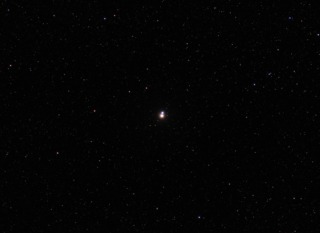
- Constellation: Cygnus
- Right Ascension: 19h 30m 43.286s
- Declination: +27° 57′ 34.84″
- Distance: 430 ly
- Apparent Magnitude: 3.21, 5.11
- B-V Color Index: 1.13, -0.10
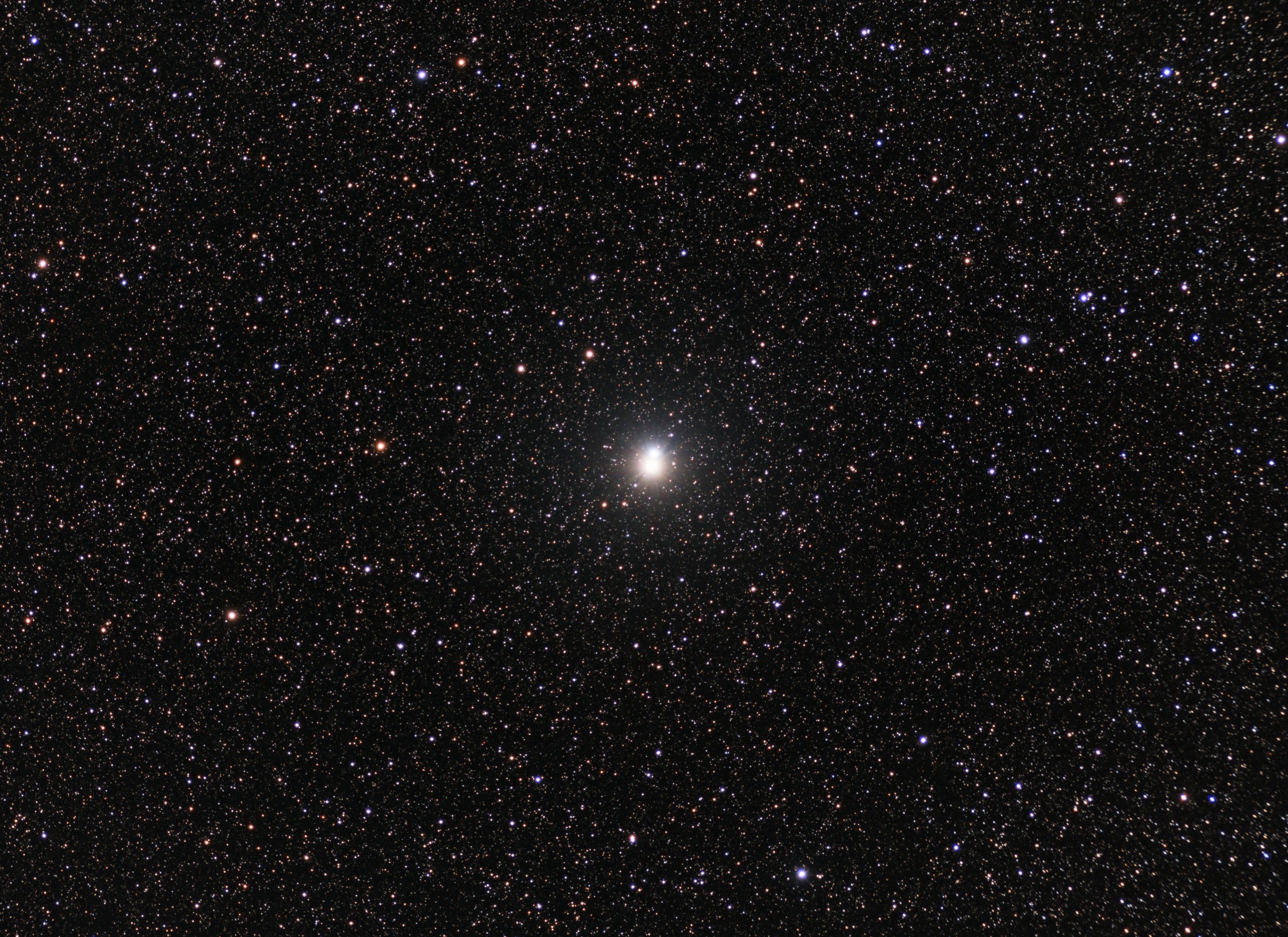
Beta Cygni or better known by the name Albireo is one of the more striking double stars, with the combination of a yellow star with a blue star. Although not thought to be a true binary system, but merely an optical double.
- Details
- Category: Stars
- Telescope: Explore Scientific 127 Refractor
- Camera: ZWO 2600 MM
- Constellation: Delphinus
- Right Ascension: 20h 46m 38.86045s
- Declination: +16° 07′ 26.8516″
- Distance: 115 ly
- Apparent Magnitude: y1 5.14, y2 4.36
- B-V Color Index: y1 0.49, y2 1.04
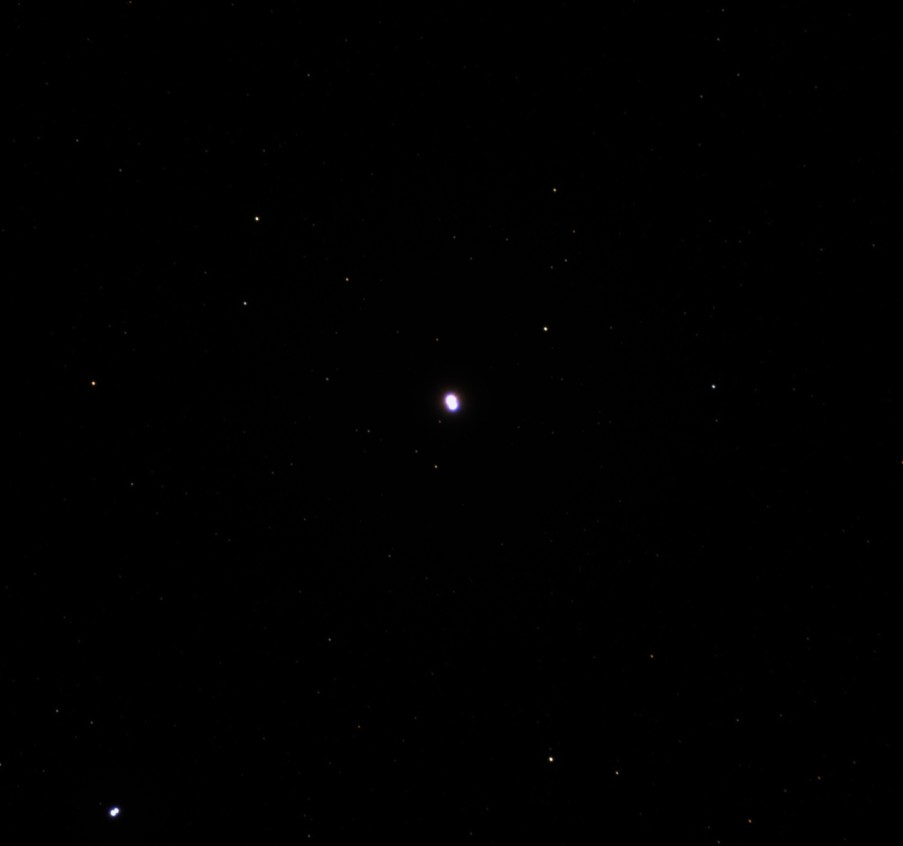
Gamma Delphini is a double star system consisting of a F type main sequence star, y1 Delphini, and a sub giant star y2 Delphini. Their current separation is around 8.9 arc-seconds with an estimated orbital period of 3,249 years.
- Details
- Category: Stars
- Telescope: Explore Scientific 127 Refractor
- Camera: ZWO 2600 MM
- Constellation: Hercules
- Right Ascension: 18h 01m 30s
- Declination: +21° 35’ 44”
- Distance: 470 ly
- Apparent Magnitude: 4.96, 5.18
- B-V Color Index: 0.12
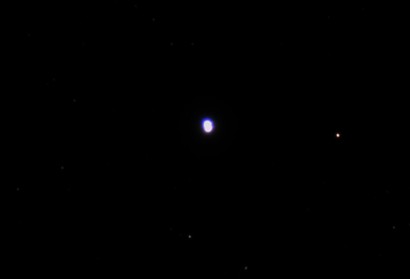
95 Herculis is a double star consisting of two giant stars separated by only 6.3 arc seconds with the primary star at magnitude 4.96, and the secondary star at 5.18.
Cropped, unstretched image.
- Details
- Category: Stars
- Telescope: Explore Scientific 127 Refractor
- Camera: ZWO 2600 MM
- Constellation: Cepheus
- Right Ascension: 22h 03m 47.455s
- Declination: +64° 37′ 40.71″
- Distance: 86 ly
- Apparent Magnitude: 4.29, 13
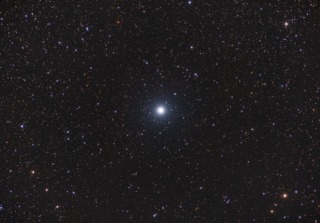
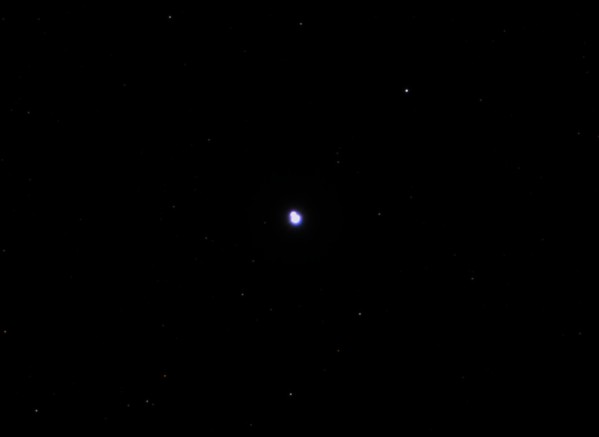
Xi Cephei is a triple star system with a pair of stars separated by 8 arc-seconds, and a third star located a more distant two arc-minutes away. Both Xi Cephei A and xi Cephei B stars are spectroscopic binary star systems.
- Details
- Category: Stars
- Telescope: Explore Scientific 127 Refractor
- Camera: ZWO 2600 MM